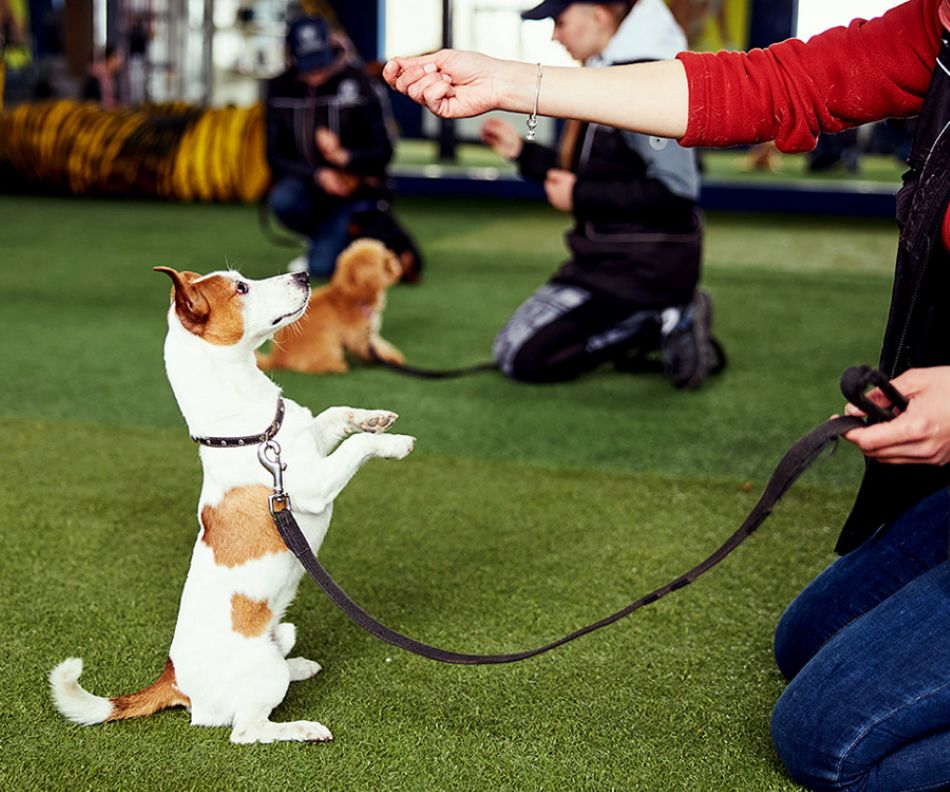
Dogs thrive on structure, consistency, and positive communication. Teaching your dog basic commands is one of the best ways to build a strong bond while ensuring safety and good behavior. Whether you have a playful puppy or an adult rescue dog, learning these essential commands makes daily life easier and helps your dog become a well-mannered family companion.
Training sessions do not need to be long or complicated. In fact, short, fun sessions of 5–10 minutes repeated throughout the day often produce the best results. Reward-based training using treats, praise, and toys encourages your dog to learn willingly while strengthening your relationship.
Why Basic Obedience Training Matters
Basic obedience training is about much more than teaching tricks. It helps your dog:
- Stay safe in potentially dangerous situations.
- Improve communication with family members.
- Build confidence and reduce anxiety.
- Prevent unwanted behaviors.
- Strengthen the bond between owner and pet.
- Make veterinary visits and grooming easier.
- Become a well-behaved companion in public places.
Every dog, regardless of breed, age, or size, can benefit from learning these essential commands.
1. Sit
The “Sit” command is usually the first command most dogs learn because it is simple and forms the foundation for many other behaviors.
Why It Is Important
Teaching your dog to sit helps:
- Prevent jumping on guests.
- Calm excitement.
- Prepare for feeding.
- Make leash attachment easier.
- Encourage patience.
How to Teach It
Hold a treat close to your dog’s nose.
Slowly move the treat upward so your dog naturally raises its head. As the head goes up, the rear naturally lowers.
The moment your dog’s bottom touches the floor, say “Sit” and immediately reward with praise and a treat.
Repeat several times daily until your dog responds consistently.
2. Stay
“Stay” teaches self-control and patience.
Why It Is Important
A reliable stay command can:
- Keep your dog safe near roads.
- Prevent rushing through doors.
- Help during grooming.
- Improve behavior around visitors.
- Create calm during exciting situations.
How to Teach It
Ask your dog to sit.
Hold your palm toward your dog and say “Stay.”
Take one small step backward.
If your dog remains still, reward immediately.
Gradually increase distance and duration while rewarding success.
3. Come
The “Come” command may be the most important command your dog ever learns.
Why It Is Important
Reliable recall can save your dog’s life by preventing dangerous situations such as:
- Running into traffic.
- Chasing wildlife.
- Escaping through open gates.
- Getting lost during walks.
How to Teach It
Begin in a quiet area.
Call your dog’s name followed by “Come.”
Use an enthusiastic voice.
Reward generously every time your dog reaches you.
Never punish your dog after calling them to come, even if they were misbehaving.
4. Down
The “Down” command teaches your dog to lie calmly on the floor.
Benefits
It helps:
- Calm overly excited dogs.
- Encourage relaxation.
- Improve self-control.
- Make public outings easier.
- Prepare for longer stays.
Training Method
Start with your dog sitting.
Hold a treat near the nose.
Slowly lower it to the ground.
As your dog follows the treat and lies down, say “Down.”
Reward immediately.
Practice regularly.
5. Leave It
This command teaches your dog not to touch something.
Why Every Dog Needs It
Dogs naturally investigate everything with their mouths. “Leave It” can prevent them from eating:
- Toxic foods.
- Medications.
- Trash.
- Dangerous objects.
- Poisonous plants.
Training Steps
Place a treat in your closed hand.
Allow your dog to sniff.
When your dog stops trying to get the treat, say “Leave It.”
Reward using a different treat from your other hand.
Increase difficulty gradually.
6. Drop It
Dogs occasionally pick up objects they should not have.
Why It Matters
Teaching “Drop It” helps recover:
- Socks.
- Shoes.
- Toys.
- Sticks.
- Unsafe objects.
Training Tips
Offer a toy.
Present a high-value treat.
When your dog releases the toy, say “Drop It.”
Reward immediately.
Return the toy after rewarding so your dog learns that releasing objects is rewarding.
7. Heel
“Heel” teaches your dog to walk politely beside you.
Benefits
A dog that walks nicely on a leash is:
- Easier to control.
- More enjoyable to walk.
- Less likely to pull.
- Safer around traffic.
- More relaxed during outings.
Training Method
Keep treats in your left or right hand depending on where your dog walks.
Reward your dog frequently for remaining beside you.
Stop walking if your dog pulls.
Resume only when the leash becomes loose.
Consistency is the key.
8. Wait
Although similar to “Stay,” “Wait” means pause temporarily until given permission to continue.
Useful Situations
Teach your dog to wait:
- Before crossing streets.
- At doorways.
- Before eating.
- Before exiting the car.
- During play.
This simple command greatly improves impulse control.
9. Watch Me
This command teaches your dog to focus on you.
Why It Helps
Eye contact improves:
- Attention during training.
- Behavior around distractions.
- Recall reliability.
- Confidence.
- Communication.
How to Teach
Hold a treat near your eyes.
When your dog makes eye contact, say “Watch Me.”
Reward immediately.
Practice until eye contact becomes automatic.
10. Off
Dogs often jump on furniture or people.
“Off” teaches them to remove all four paws from an object.
Benefits
This command helps:
- Prevent jumping on guests.
- Protect children.
- Reduce muddy paw prints.
- Encourage polite greetings.
Reward immediately whenever your dog complies.
Tips for Successful Dog Training
Keep Sessions Short
Dogs learn best during brief sessions lasting between five and ten minutes.
Several short sessions each day work better than one long lesson.
Use Positive Reinforcement
Reward desired behaviors using:
- Healthy treats.
- Verbal praise.
- Toys.
- Petting.
- Playtime.
Positive experiences make dogs eager to learn.
Be Consistent
Every family member should use the same commands.
For example:
- Always use “Come” instead of alternating between “Come here,” “Get over here,” and “Come on.”
Consistency speeds learning.
Train in Different Locations
Once your dog understands a command at home, practice in:
- The backyard.
- Quiet parks.
- Pet-friendly stores.
- Around mild distractions.
This helps your dog obey commands anywhere.
End on a Positive Note
Finish every session after a successful command.
This keeps training enjoyable and builds enthusiasm for the next lesson.
Common Training Mistakes
Avoid these common errors:
- Repeating commands multiple times.
- Punishing your dog for mistakes.
- Training for too long.
- Expecting immediate perfection.
- Using inconsistent words.
- Forgetting to reward success.
- Becoming frustrated.
Patience and consistency always produce better results.
When Should You Start Training?
Training should begin as soon as your puppy comes home, usually around eight weeks of age.
However, adult dogs can also learn every one of these commands. The old saying that “you can’t teach an old dog new tricks” is simply not true. Dogs of all ages can continue learning throughout their lives.
Conclusion
Teaching your dog basic commands is one of the greatest investments you can make in your pet’s future. Commands such as Sit, Stay, Come, Down, Leave It, Drop It, Heel, Wait, Watch Me, and Off improve safety, strengthen communication, and create a happier relationship between you and your canine companion.
Remember that successful training requires patience, consistency, and positive reinforcement. Celebrate small victories, keep sessions enjoyable, and practice regularly. With time and dedication, your dog will become a confident, obedient, and well-mannered member of your family.
Frequently Asked Questions
1. At what age should I begin training my puppy?
Puppies can begin learning simple commands as early as 8 weeks of age using gentle, reward-based training.
2. Can older dogs learn basic commands?
Yes. Adult and senior dogs can successfully learn new commands with patience and consistent practice.
3. How long should each training session last?
Five to ten minutes per session is ideal. Multiple short sessions each day are more effective than one long session.
4. Should I use treats every time?
Initially, treats help reinforce learning. As your dog becomes reliable, gradually replace some treats with praise, petting, or play.
5. What if my dog ignores commands?
Reduce distractions, use higher-value rewards, and return to simpler training steps before gradually increasing difficulty.
6. Is punishment recommended during training?
No. Positive reinforcement is far more effective and helps build trust, confidence, and long-term obedience.
7. Which command is the most important?
Many professional trainers consider “Come” to be the most important because it can help protect your dog in emergency situations.
Affiliate Disclosure
This article may contain affiliate links. If you purchase products through these links, I may earn a small commission at no additional cost to you. These commissions help support this website and allow me to continue creating free, informative content for dog owners. I only recommend products that I believe are useful and beneficial for dogs and their families.
Medical Disclaimer
The information provided in this article is intended for educational and informational purposes only and should not be considered veterinary advice. Every dog is unique, and training methods or behavioral challenges may vary. Always consult your veterinarian or a qualified professional dog trainer if your dog has medical conditions, behavioral concerns, or requires specialized training. Never ignore professional veterinary advice based on information found on this website.